Tracing the Development of Loyalty Reward Mechanics in Response to Technological Advances in Canadian Online Gambling Platforms
Klara Zimmermann · Sep 26, 2026
Tracing the Development of Loyalty Reward Mechanics in Response to Technological Advances in Canadian Online Gambling Platforms
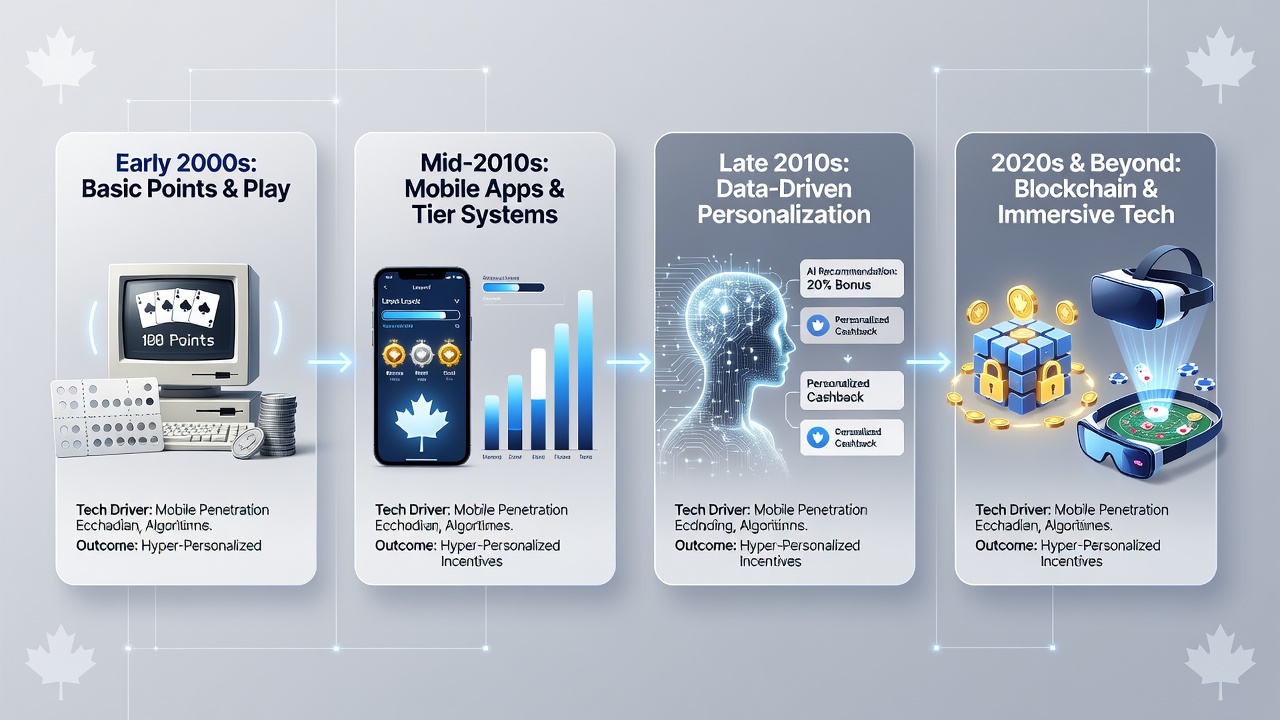
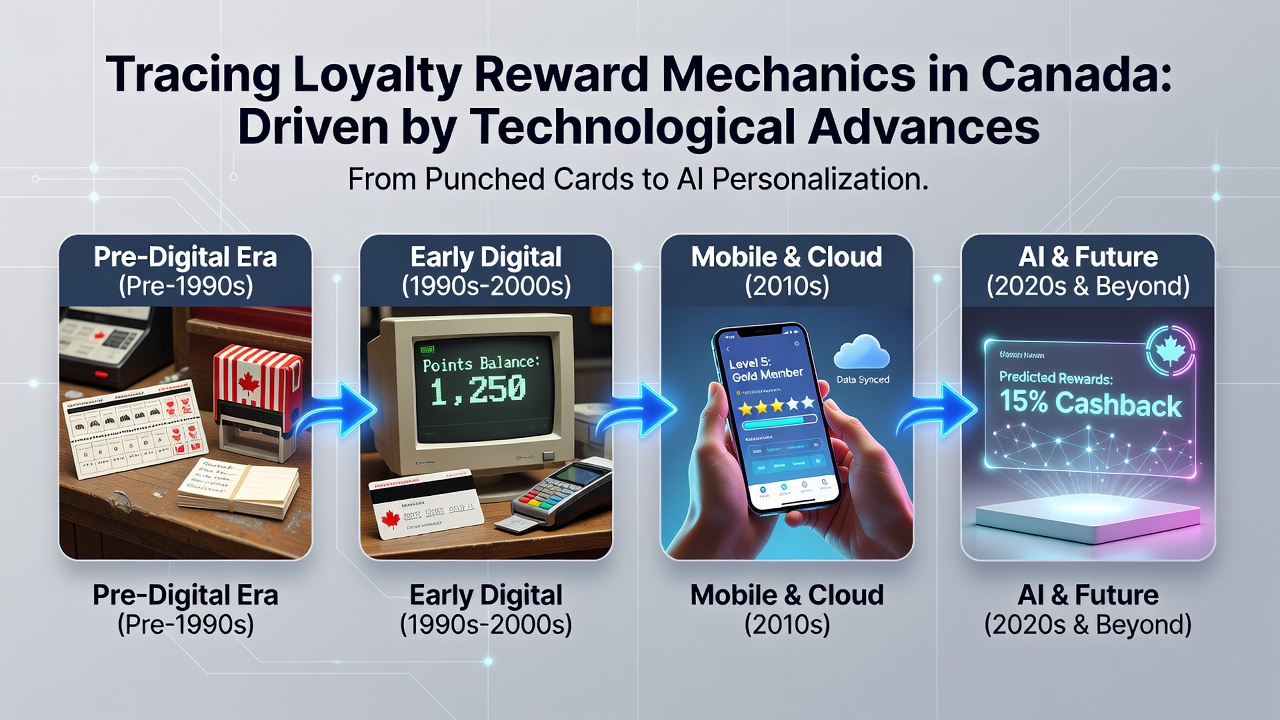
Canadian online gambling platforms began incorporating loyalty reward mechanics in the early 2000s as basic point accumulation systems tied directly to wager volume, and these structures responded to initial technological shifts such as broadband internet expansion that allowed real-time tracking of player activity across multiple sessions. Data from industry reports shows that early platforms relied on static tiers where users earned credits for deposits and bets, yet these systems lacked personalization because servers processed information in batches rather than continuously.
Shift Toward Mobile Integration and Real-Time Tracking
Smartphone adoption accelerated changes by the mid-2010s, when Canadian operators integrated mobile apps that synced loyalty balances instantly with user accounts, enabling rewards to unlock during live gameplay rather than after manual verification periods. Studies from research institutions indicate that push notifications and location-aware features became standard tools for delivering tier progression alerts, while database improvements reduced latency in point calculations from hours to seconds. Observers note that this period marked a transition from generic bonuses to segmented offers based on device usage patterns recorded through app analytics.
Data Analytics Driving Personalized Reward Structures
Advanced analytics platforms entered widespread use around 2018, allowing operators to segment users according to behavioral metrics such as session frequency and game preferences, which in turn shaped loyalty programs that adjusted reward multipliers dynamically. Figures from academic papers reveal correlations between machine learning models and increased retention rates, as algorithms predicted optimal reward timing without manual intervention. Canadian platforms adopted cloud-based systems that aggregated data from provincial networks, producing tailored incentives like bonus spins scaled to individual risk profiles derived from historical play data.
Integration of payment gateways further refined these mechanics, since instant deposit confirmations triggered immediate loyalty credit awards that previously required batch processing at the end of each day. One study revealed that seamless wallet connections reduced friction in reward redemption, leading to higher engagement across digital channels monitored by platform operators.
Emergence of AI and Blockchain in Loyalty Systems
Artificial intelligence applications expanded loyalty frameworks by 2022, when predictive models began forecasting player lifetime value and adjusting tier benefits accordingly, such as exclusive event access granted through automated qualification checks. Research indicates that natural language processing tools analyzed player feedback to refine reward menus, while chatbots handled tier inquiries that once required support staff. Blockchain technology appeared in select Canadian implementations around the same timeframe, providing immutable ledgers for tracking reward issuance and redemption to address transparency concerns raised in regulatory discussions.
As of September 2026, several platforms have combined AI-driven personalization with blockchain verification to create hybrid loyalty mechanics that issue tokenized rewards redeemable across partnered sites, according to updates from industry organizations tracking digital wagering trends. These developments build on earlier mobile foundations while incorporating cross-platform data sharing that maintains compliance with varying provincial standards.
Current Mechanics and Ongoing Adaptations
Contemporary systems emphasize multi-layered rewards that combine cashback percentages with experiential perks such as virtual tournament entries, all calculated through real-time APIs that pull from live betting feeds and game outcome logs. Evidence from trade group reports demonstrates how biometric authentication on mobile devices has streamlined reward access, reducing steps between earning and claiming. Observers note continued experimentation with augmented reality overlays that visualize loyalty progress within game interfaces, extending the reach of technological integration beyond core account management.
External partnerships with payment processors and software providers have sustained these evolutions, enabling loyalty data to flow securely between operators and third-party vendors without compromising user privacy protocols established under Canadian frameworks.
Conclusion
The trajectory of loyalty reward mechanics in Canadian online gambling reflects consistent adaptation to successive waves of technological capability, from batch-processed points to AI-optimized and blockchain-secured systems that operate in September 2026. Data shows these changes align with broader platform enhancements rather than isolated program redesigns, maintaining continuity in how operators respond to available tools for user engagement tracking and delivery.